How Do the Main Components of a Pneumatic System Work Together?
In simple terms, a pneumatic system uses compressed air to create and control movement.
Within a typical compressed air system, four main component groups work together:
- Pneumatic cylinders: create the mechanical movement or force required by the application.
- Pneumatic valves: control the direction, timing and flow of compressed air within the system.
- Air preparation equipment: filters and regulates the compressed air before it enters the pneumatic circuit. Lubrication may also be used where required.
Each part must be correctly selected and sized for the pneumatic system to operate effectively.
Where Are Pneumatic Systems Used in Industrial Automation?
95% of industries use some form of compressed air using pneumatic components. Pneumatic systems are used across a wide range of industrial machinery, production equipment and automated processes, including:
- Packaging
- Food and beverage
- Plastics and rubber
- Automotive manufacturing
- Electronics
- Textile machinery
- Assembly and robotics
- Printing and paper
- Woodworking machinery
- General industrial automation
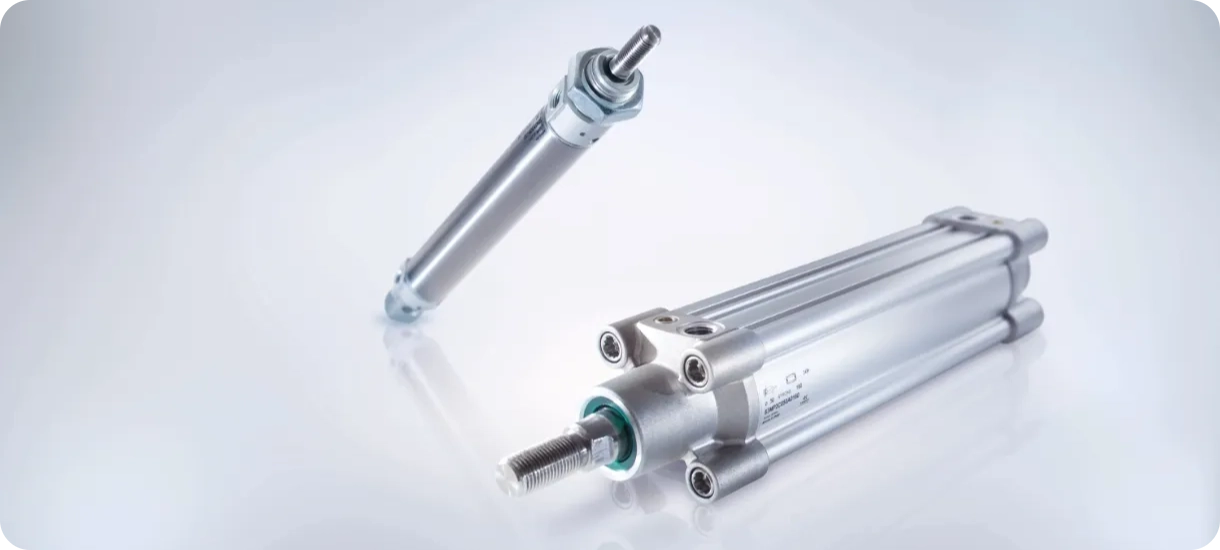
What Information Is Needed to Specify a Pneumatic Cylinder?
When selecting or replacing a pneumatic cylinder, consider:
1. Bore and stroke: what bore size and stroke length are required?
2. Cylinder standard: is it an ISO standard cylinder? If so, what is the ISO reference?
3. Operation: is the cylinder single acting or double acting?
4. Port size: what threaded port size is required, such as M5, 1/8", 1/4", 3/8" or 1/2"?
5. Mounting: are mounting accessories required, such as a rod fork, rear clevis or swivel mounting?
6. Accessories: are fittings, proximity switches, flow controllers or other accessories needed?
For urgent replacement, obsolete or non standard requirements, learn more about our custom and rapid pneumatic cylinder builds.
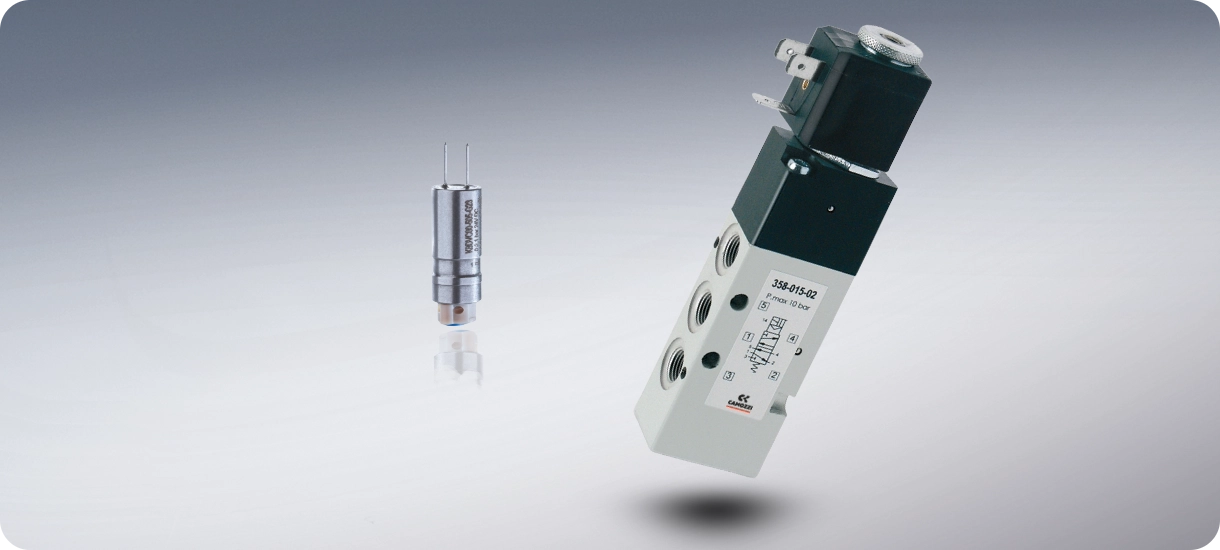
What Information Is Needed to Specify a Pneumatic Valve?
When selecting a pneumatic valve, consider:
- Operation: is the valve operated electrically, pneumatically, mechanically or manually?
- Configuration: how many ports and positions are required?
Common configurations include:
- 3/2: three ports and two positions
- 5/2: five ports and two positions
- 5/3: five ports and three positions
Also consider:
- Valve state: is a normally open or normally closed configuration required, where applicable?
- Port size: what threaded port size is required?
- Voltage: if a solenoid coil is needed, what voltage is required?
- Accessories: are coils, fittings, tubing, connectors or silencers required?
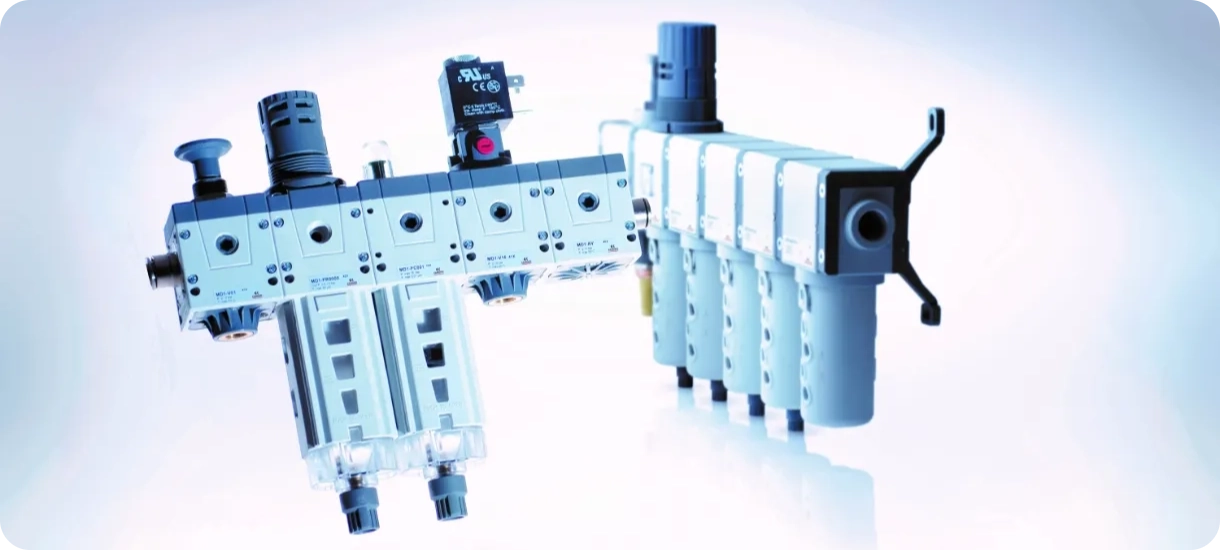
What Information Is Needed to Select an Air Preparation Unit?
Air preparation equipment helps ensure that compressed air reaches the pneumatic system at the required cleanliness and pressure.
Before selecting an air preparation unit, consider:
- Component type: is a filter, regulator, lubricator, filter regulator or complete FRL unit required?
- Port size: what threaded port size is needed?
- Pressure range: what inlet and regulated outlet pressures are required?
- Airflow: what flow rate must the unit support?
- Accessories: are wall brackets, pressure gauges, tamper resistant caps or service kits required?
Lubrication is not required in every pneumatic system and should only be specified where suitable for the components and application.
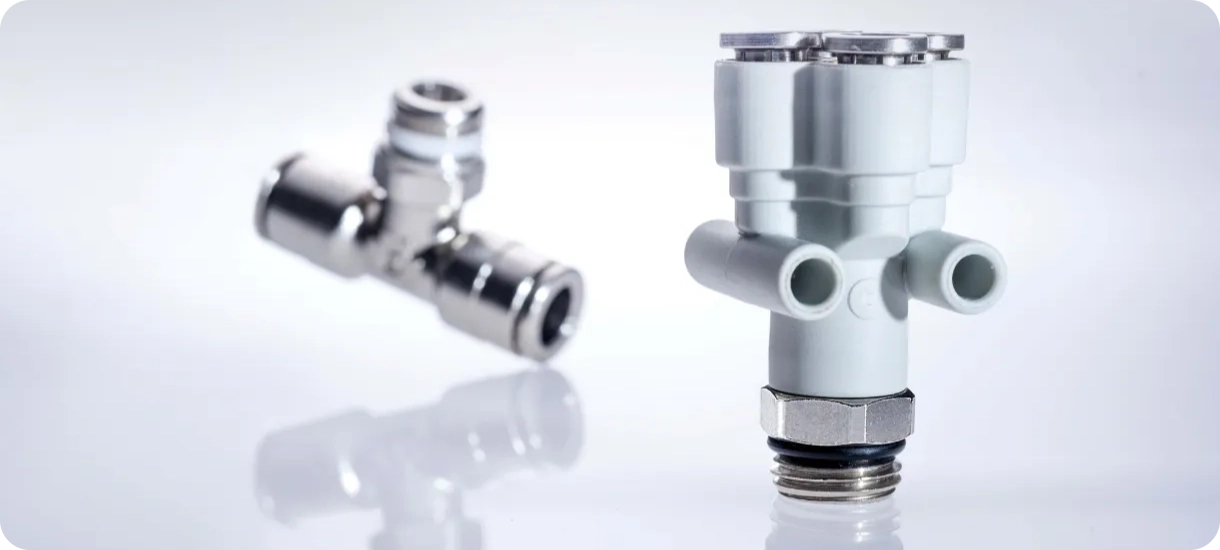
What Information Is Needed to Specify Pneumatic Fittings and Tubing?
When selecting pneumatic fittings and tubing, consider:
- Material: is brass, nickel plated brass, technopolymer or stainless steel required?
- Fitting type: is a push-in, push-on, threaded adaptor or another fitting type needed?
- Shape: is a straight, elbow, tee, reducer or other configuration required?
- Thread: what thread type and size are required?
- Tube size: what outside tube diameter is required, such as 4mm, 6mm, 8mm, 10mm or 12mm?
- Operating environment: are temperature, pressure, washdown or material compatibility important?